

The Rise of 5G
What is 5G and Why It Matters
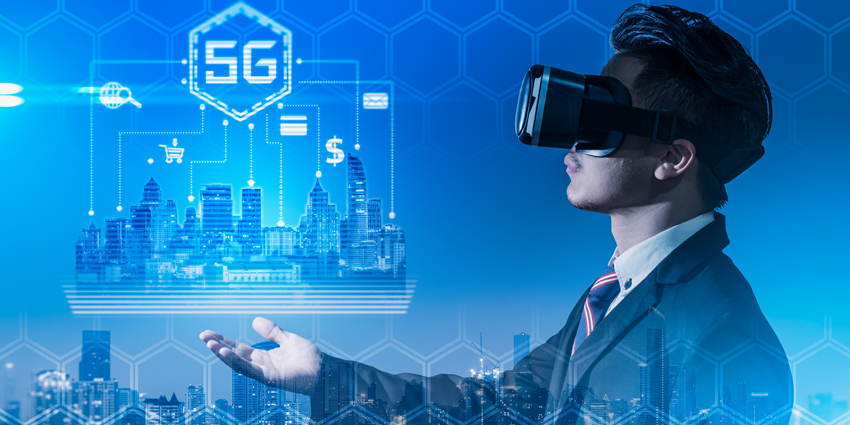
5G is the fifth generation of wireless technology, and it’s much faster and more reliable than 4G. With higher speeds and lower latency, 5G enables real-time data sharing and rapid response times, making it perfect for applications that require instantaneous communication, like augmented reality (AR), virtual reality (VR), and autonomous vehicles.
Impacts on Various Industries
Healthcare: Remote Surgeries and Telemedicine
In healthcare, 5G enables real-time communication between doctors and patients, facilitating remote consultations and even surgeries. Through the use of telemedicine and wearable devices, 5G technology allows for immediate data transfer, giving healthcare providers accurate, up-to-the-minute information on patient health metrics. In the near future, remote surgeries powered by 5G could become more widespread, with surgeons operating from miles away using real-time video and robotics.

Manufacturing: Smart Factories and IoT
With 5G, manufacturing plants can use IoT sensors and devices to monitor equipment, automate processes, and improve efficiency. These “smart factories” use data to predict maintenance needs, optimize supply chains, and reduce downtime. 5G connectivity enables real-time data sharing across machines, transforming traditional factories into highly efficient, automated production lines.
Suggested Image: A factory floor with IoT sensors and machines connected in real-time.
Entertainment: Enhanced VR/AR Experiences
The entertainment industry is seeing rapid transformation with 5G, particularly in VR/AR applications. With 5G’s speed and reduced lag, users can enjoy immersive gaming, live virtual events, and interactive experiences like never before. It’s also paving the way for new possibilities in live streaming and mobile gaming, where high-resolution video can be delivered without interruptions.
Challenges and Concerns of 5G Deployment
Despite its benefits, 5G comes with challenges. Infrastructure costs are high, as 5G requires many small cell towers to provide coverage. There are also public concerns regarding the potential health effects of increased radiation exposure, though studies are ongoing. Additionally, 5G raises privacy and security concerns as more devices become interconnected.
The Future of 5G and Beyond
While 5G is still rolling out worldwide, researchers are already looking toward 6G, which could deliver even greater speeds and further integrate AI and IoT. For now, 5G promises to make cities smarter, healthcare more accessible, and entertainment more immersive, paving the way for a more connected future.
0 Comments