

Exploring the Metaverse
Introduction to the Metaverse
The term “Metaverse” has quickly gained traction, especially with companies like Meta (formerly Facebook), Google, and Microsoft investing billions in its development. But what exactly is the Metaverse? Simply put, the Metaverse is a virtual shared space, combining augmented reality (AR), virtual reality (VR), and blockchain to create immersive digital environments where people can work, socialize, and play.
What Makes Up the Metaverse?
The Metaverse is more than just one platform or experience; it’s a network of interconnected virtual spaces that allow users to move freely between digital environments while maintaining a consistent digital identity. Here’s a closer look at the technologies powering the Metaverse:
- Virtual Reality (VR): Full-immersion VR headsets, like the Oculus Quest, allow users to explore virtual worlds and interact as though they’re physically there.
- Augmented Reality (AR): Unlike VR, AR overlays digital elements onto the real world, visible through devices like smartphones or AR glasses.
- Blockchain and NFTs: Blockchain technology ensures that digital assets are secure, and NFTs (Non-Fungible Tokens) enable users to own, sell, or trade digital assets like art, real estate, or avatars within the Metaverse.

How Will the Metaverse Change Our Digital Lives?
Socializing and Networking
The Metaverse offers new ways to connect with others, shifting social interactions from text messages and video calls to immersive experiences where users’ avatars can meet “face-to-face.” This opens up exciting possibilities for long-distance friendships, online dating, and networking.
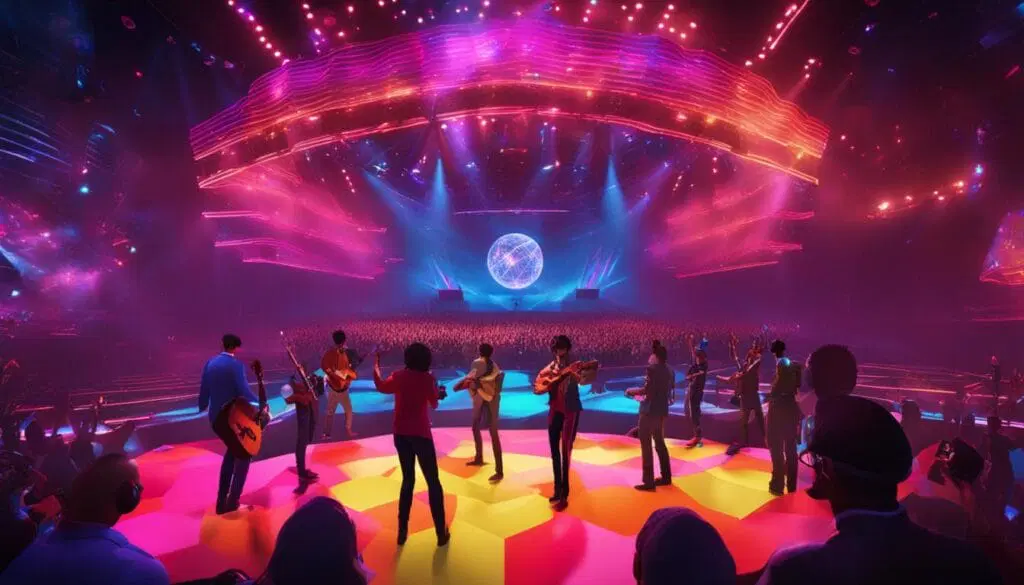
In virtual spaces, people can attend concerts, art exhibits, or casual meetups without leaving their homes. As more individuals and brands join the Metaverse, socializing in these environments will feel increasingly seamless and authentic.
Work and Collaboration in Virtual Offices
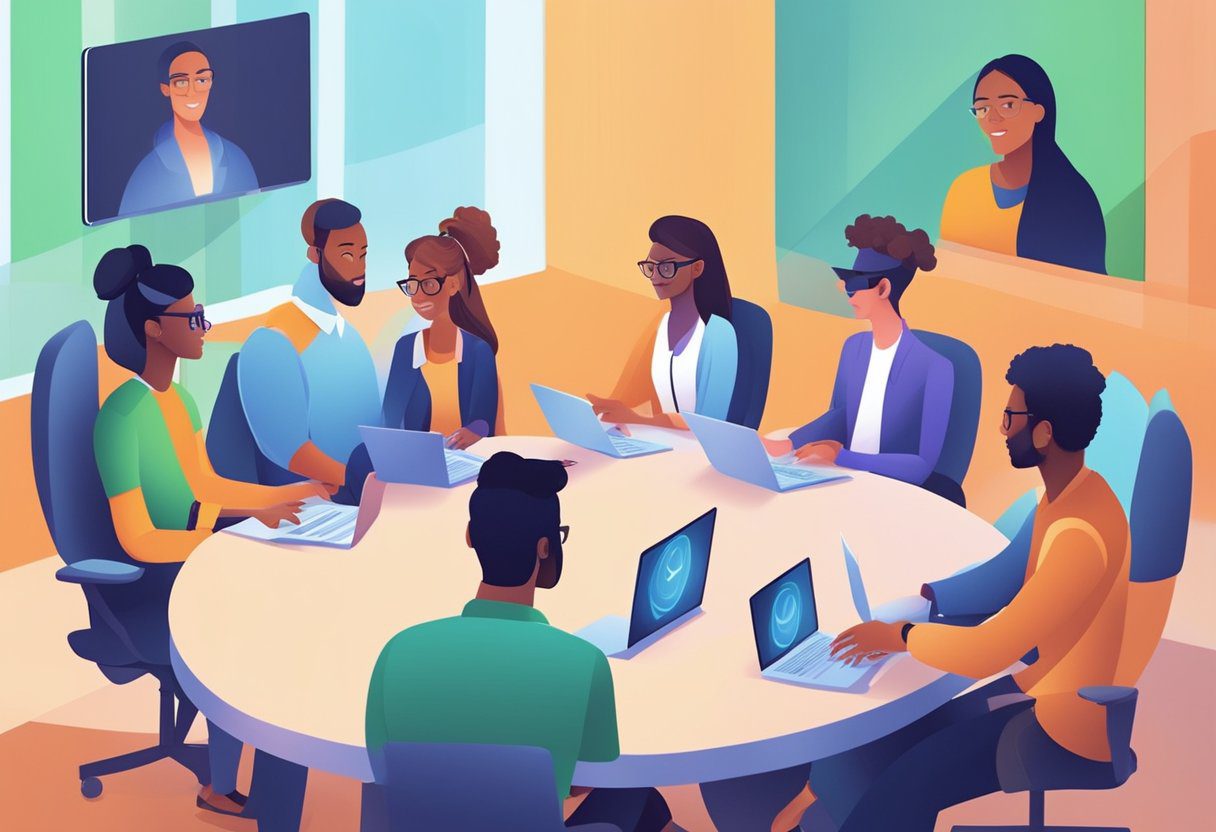
The pandemic accelerated remote work adoption, but the Metaverse takes remote work a step further by creating virtual offices. In these digital workplaces, employees can collaborate on projects in shared 3D environments, join meetings as avatars, and build stronger team dynamics than typical video conferencing allows.
Companies like Microsoft are already experimenting with Metaverse workspaces through platforms like Mesh, which lets people “teleport” into meetings and events.
Gaming and Entertainment
Gaming is one of the Metaverse’s biggest use cases, offering fully immersive experiences where players can socialize, complete quests, and explore vast virtual worlds. The Metaverse enables cross-platform gaming, allowing users from different devices to join the same virtual world. Some platforms even allow users to build custom virtual spaces or mini-games, further expanding possibilities in interactive entertainment.
Challenges Facing the Metaverse
Privacy and Security
While the Metaverse promises exciting new possibilities, it also raises concerns around privacy and security. The large amount of personal data collected in virtual worlds (such as biometrics, location, and interactions) poses risks if not properly safeguarded. There are ongoing debates about the ethical implications of data collection and ownership in the Metaverse.
Accessibility and Digital Divide
Not everyone has access to the high-speed internet and advanced devices necessary to join the Metaverse. This digital divide could limit participation for many, potentially creating new inequalities. Ensuring that the Metaverse is accessible and inclusive will be crucial as it evolves.

The Future of the Metaverse
As technology advances, the Metaverse could become as commonplace as the internet itself, merging with our daily lives. Virtual learning, telemedicine, online commerce, and much more will continue to adapt and find new ways to leverage the Metaverse. For now, we’re just beginning to scratch the surface of what this immersive virtual world can offer. The Metaverse has the potential to redefine how we socialize, work, and play, creating a new digital frontier for generations to come.
Conclusion
The Metaverse isn’t just science fiction — it’s becoming a reality that will impact our lives in countless ways. As it continues to develop, the Metaverse will offer new avenues for connection, creativity, and collaboration, paving the way for a more interconnected digital society. By staying informed and embracing its possibilities, we can help shape this virtual future responsibly.
0 Comments