

The Future of AI in Everyday Life
Introduction to AI in Everyday Life
Artificial Intelligence (AI) is no longer just a futuristic idea — it’s already transforming the way we live, work, and interact with technology every day. Machine learning and AI applications are deeply embedded in our smartphones, smart homes, health devices, and even our cars. From giving us personalized recommendations to performing complex problem-solving tasks, AI is quickly becoming an integral part of modern life.
AI-Powered Devices in the Home
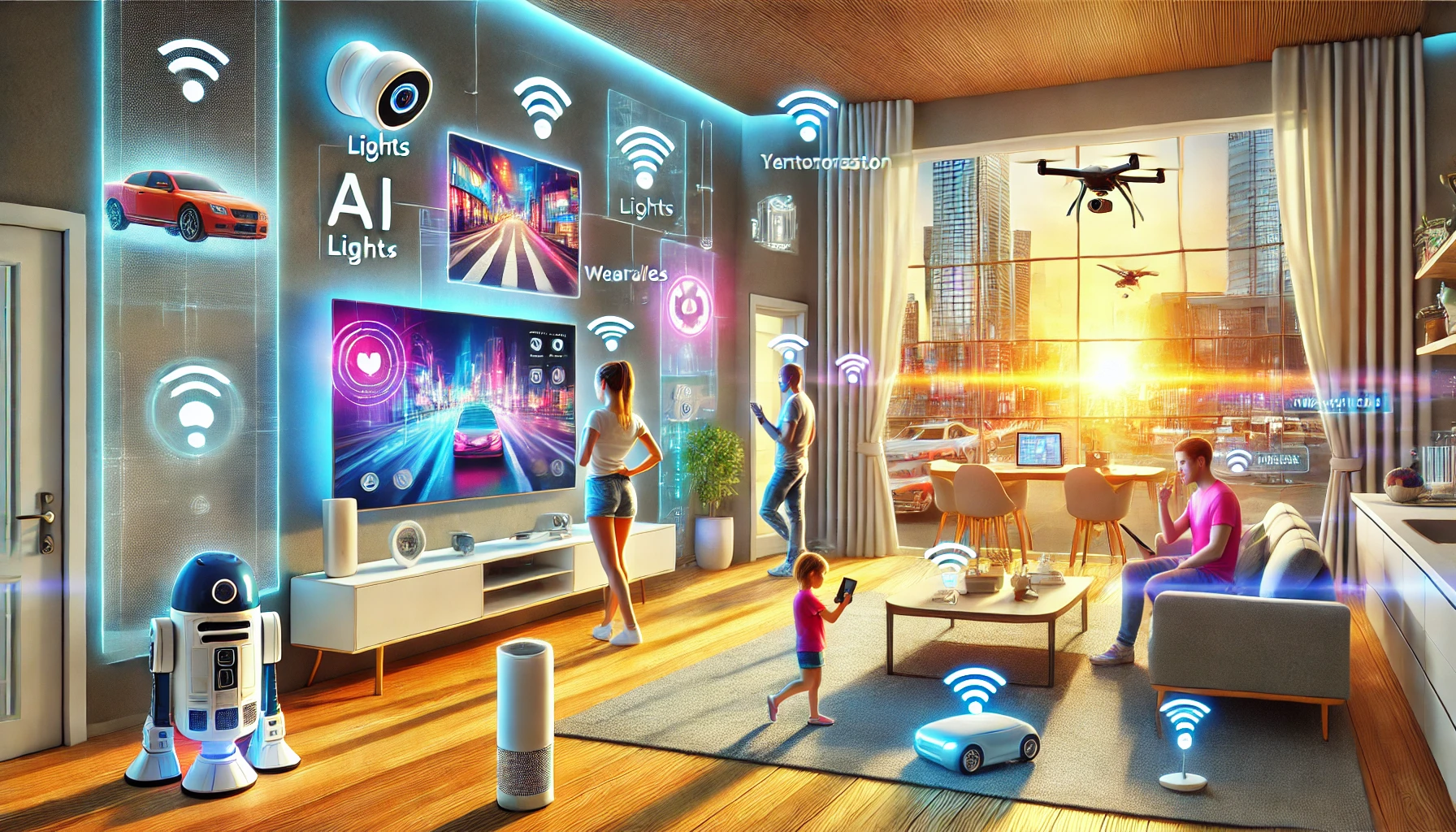
Smart devices such as Amazon Alexa, Google Nest, and various smart appliances are among the most common AI tools used in homes. These devices can control lights, thermostats, and security systems, all with simple voice commands or automation rules. Not only do they provide convenience, but they also promote energy efficiency by learning user preferences and optimizing energy consumption.
Healthcare Advancements Through AI
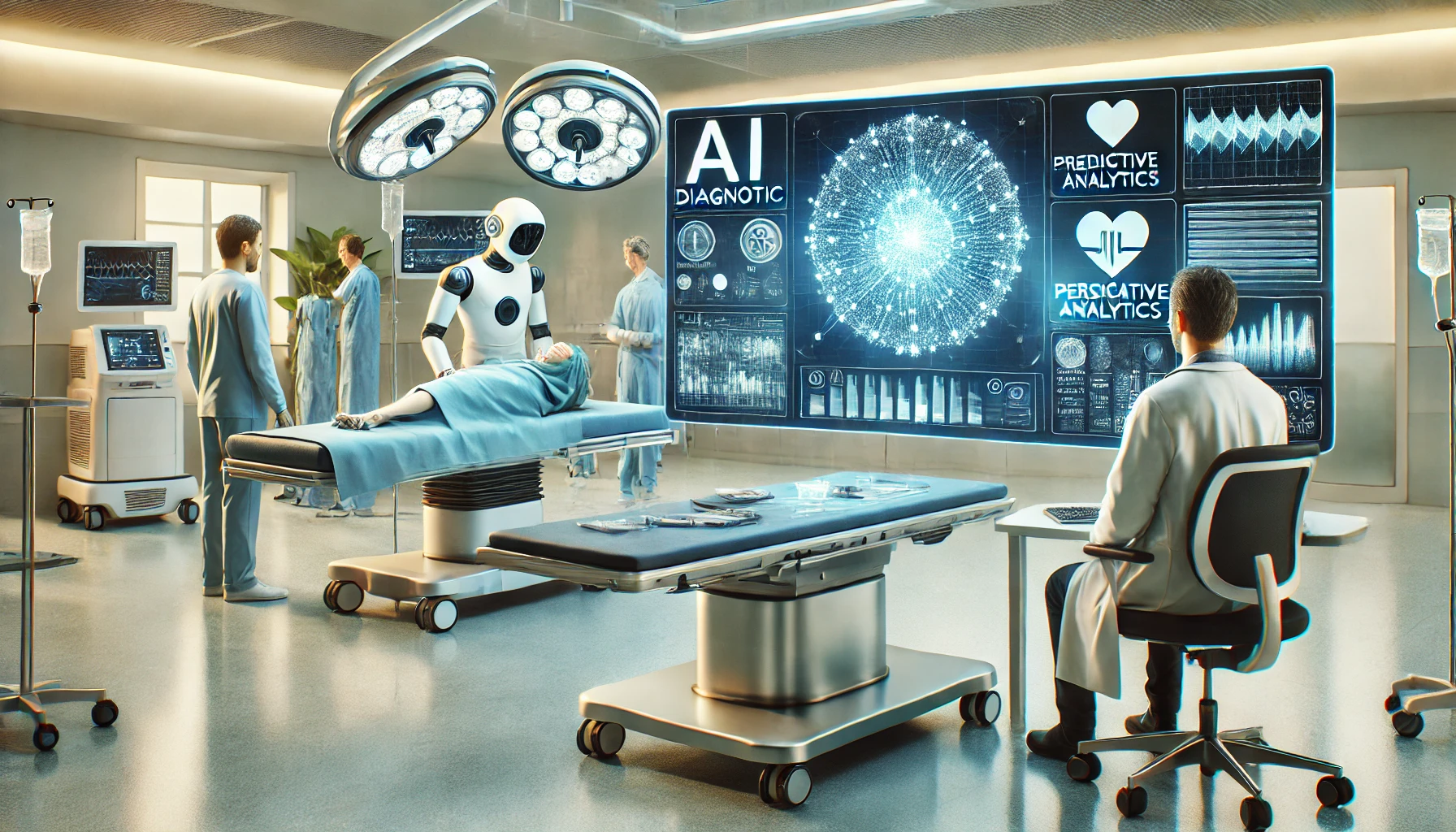
AI’s impact on healthcare is transformative. With AI-powered tools, doctors and medical professionals can detect diseases earlier, analyze medical images more accurately, and offer personalized treatment recommendations. For example, symptom-checking apps like ADA and symptom-monitoring devices allow individuals to track health metrics and receive real-time advice on whether to seek medical care.
AI-driven telemedicine services also make healthcare more accessible, connecting patients with specialists across the world. With continuous development, AI in healthcare could soon provide personalized treatment plans tailored to each patient's genetic makeup and health history.
AI in Transportation and Travel
In transportation, AI is improving travel safety and efficiency. Self-driving technology, for instance, can analyze traffic, detect obstacles, and make driving safer for everyone on the road. Meanwhile, AI is helping airlines optimize flight routes, reducing delays, and improving passenger experiences.
AI technology also contributes to public transportation planning, reducing congestion and creating a more connected city infrastructure. As we look toward the future, autonomous vehicles and smarter public transport systems promise a safer, faster, and more environmentally friendly travel experience.

Conclusion: The Road Ahead for AI in Daily Life
AI continues to evolve, making our lives more efficient, personalized, and interconnected. As we welcome more AI innovations into our homes, healthcare, and transportation systems, it’s essential to consider ethical and privacy implications. Responsible AI development and thoughtful integration promise to make a future with AI one filled with convenience, safety, and better quality of life for all.
0 Comments